 Kathy lift
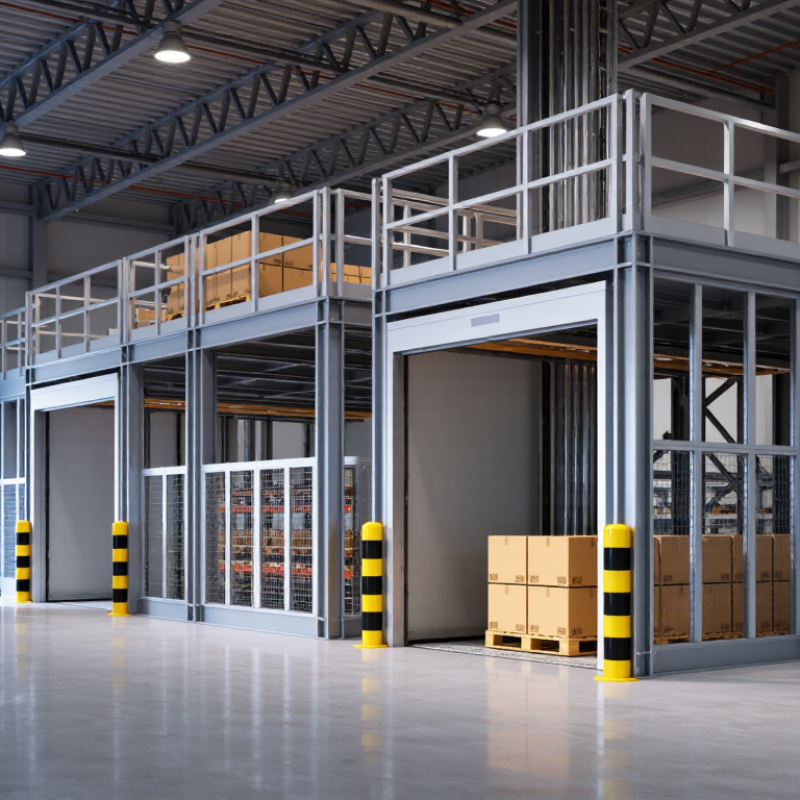
Choosing a cargo lift for a two-story factory starts with accurate load information. Do not rely on estimated pallet weights. Record the heaviest product, container, trolley, and operator together. Add a practical safety margin, because real production rarely follows ideal schedules.
Measure every item that enters the lift. Note its length, width, height, and turning radius. The platform must hold the largest load without blocking the doors. Check floor openings, ceiling height, loading dock levels, and available machine-room space. A qualified lift engineer should verify structural support, travel distance, stopping accuracy, and required safety systems.
Tips: Watch peak traffic, not average traffic. Count trips during busy shifts. Consider whether forklifts or hand trucks will enter the cabin. Protect doors and controls from impacts. Keep a clear record of unusual loads.
Usage affects the design as much as weight does. A lift serving light cartons may need different duty performance than one moving steel parts all day. Specify trips per hour, operating hours, loading method, and expected future growth. Recheck these assumptions after production changes. Our plans can be wrong, especially when temporary storage becomes permanent. Fresh measurements prevent an expensive mismatch.
